
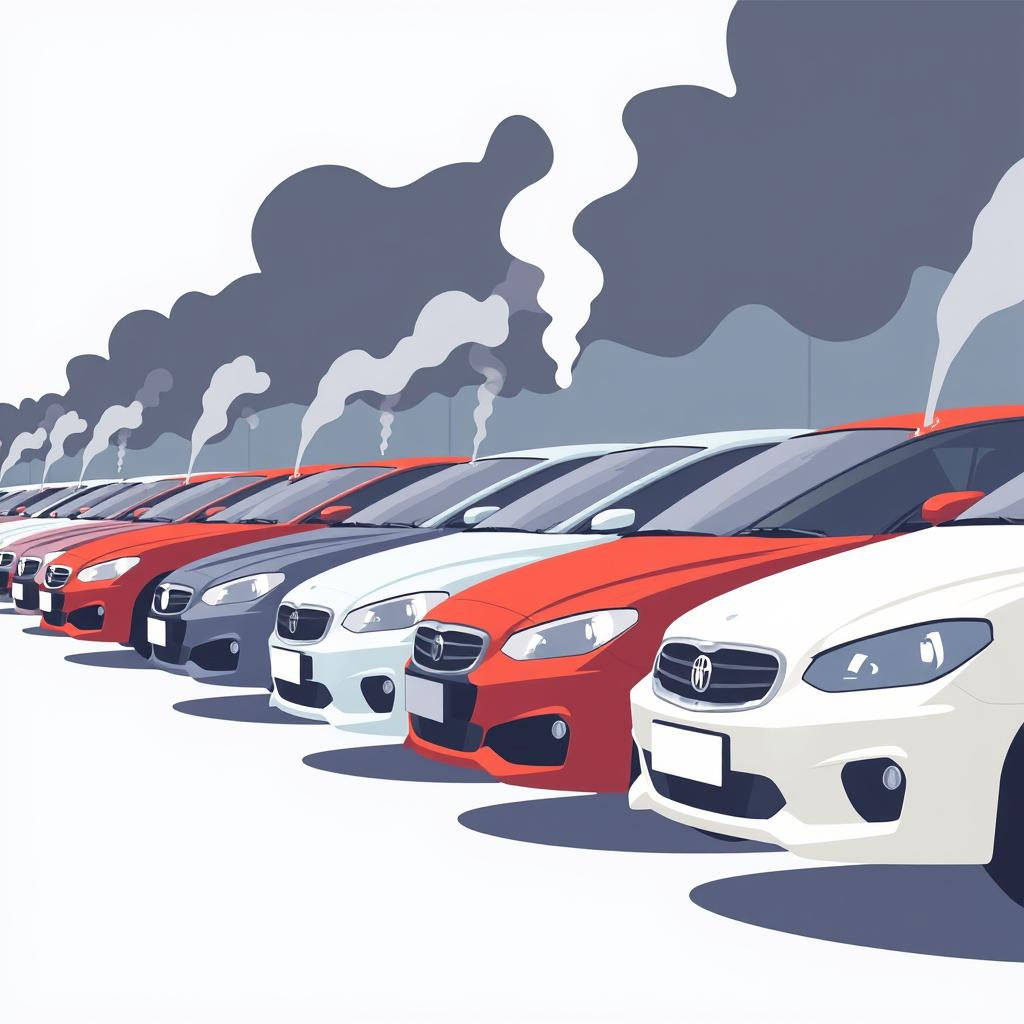
President Trump has pardoned nine individuals for Clean Air Act violations related to modifying their vehicles, reportedly to alleviate the burden on car enthusiasts. The Clean Air Act is a federal law aimed at reducing air pollution from vehicles and industrial sources. The MSN reports that the pardons have sparked discussion about the enforcement of environmental regulations and the use of presidential pardon power. This move has been seen as a controversial one, with many arguing that it undermines the efforts of the Environmental Protection Agency (EPA) to reduce air pollution and protect public health. The Clean Air Act has been a cornerstone of environmental protection in the United States, and the pardons have raised questions about the administration's commitment to enforcing this law.
The Clean Air Act and Its Provisions
The Clean Air Act regulates air pollution from vehicles and industrial plants, setting emissions standards that vehicle manufacturers must comply with. The Clean Air Act has undergone several amendments, with the most recent in 1990. The Environmental Protection Agency (EPA) enforces the law, setting and enforcing emissions standards. For example, the Act requires vehicle manufacturers to reduce emissions of pollutants such as particulate matter, nitrogen oxides, and volatile organic compounds. The EPA also sets standards for fuel efficiency and emissions from industrial sources, such as power plants and factories. The Clean Air Act has been instrumental in reducing air pollution in the United States, and its provisions have been widely adopted as a model for environmental regulation around the world.
The Clean Air Act has also had a significant impact on public health. By reducing air pollution, the Act has helped to decrease the incidence of respiratory diseases such as asthma and lung cancer. According to the EPA, the Clean Air Act has prevented millions of cases of respiratory disease and saved thousands of lives. The Act has also had economic benefits, as reducing air pollution has helped to increase productivity and reduce healthcare costs. However, despite these successes, there is still much work to be done to reduce air pollution and protect public health. The pardons granted by President Trump have raised concerns that the administration may be willing to relax enforcement of the Clean Air Act, which could have serious consequences for the environment and public health.
Presidential Pardon Power and Its Implications
The presidential pardon power allows the President to grant pardons to individuals convicted of federal crimes without restrictions. However, using this power to pardon individuals convicted of environmental crimes can have significant implications. The EPA enforces environmental regulations, and the pardons granted by President Trump have raised questions about the effectiveness of these regulations. The pardon power is a broad authority that has been used by presidents throughout history to grant clemency to individuals for a variety of reasons. However, the use of this power to pardon individuals convicted of environmental crimes is unusual and has sparked controversy.
The implications of the pardons are far-reaching and have significant consequences for the environment and public health. By pardoning individuals convicted of environmental crimes, the President may be sending a signal that these crimes are not taken seriously, which could embolden others to violate environmental regulations. This could lead to increased air pollution, water pollution, and other environmental problems, which could have serious consequences for the environment and public health. Furthermore, the pardons may undermine the authority of the EPA and other environmental agencies, making it more difficult for them to enforce environmental regulations and protect the environment.
The pardons granted by President Trump have sparked debate about the presidency's role in enforcing environmental regulations and the implications of using the pardon power to alleviate the burden on individuals convicted of environmental crimes.
The Impact of the Pardons on Environmental Regulations
The pardons have significant implications for environmental regulations and the enforcement of the Clean Air Act. They may signal that the administration is willing to relax enforcement, which could have far-reaching consequences for the environment and public health. The Environmental Protection Agency has been working to strengthen environmental regulations, but the pardons may undermine these efforts and create uncertainty about the future of environmental regulations. For example, the EPA has been working to reduce emissions from power plants and vehicles, but the pardons may make it more difficult to enforce these regulations.
The pardons may also have a chilling effect on the enforcement of environmental regulations. If individuals and companies believe that they can violate environmental regulations without facing serious consequences, they may be more likely to do so. This could lead to increased environmental pollution and harm to public health. Furthermore, the pardons may create a sense of uncertainty and unpredictability, making it more difficult for businesses and individuals to comply with environmental regulations. The EPA and other environmental agencies may need to re-evaluate their enforcement strategies and priorities in light of the pardons, which could divert resources away from other important environmental protection efforts.
The Future of Environmental Regulations
The pardons have sparked debate about the future of environmental regulations and the presidency's role in enforcing them. The use of the pardon power raises questions about the effectiveness of environmental regulations and the administration's willingness to enforce them. As the country moves forward, it is essential to watch how the administration will balance environmental protection with economic growth and development. The outcome of this debate will have significant implications for environmental regulations and public health. The administration's actions and the public's response will be crucial in determining the future of environmental regulations.
The use of the pardon power may be a sign of things to come, and it is essential to stay informed about developments in this area to ensure the environment is protected and public health is preserved. The public must remain vigilant and hold the administration accountable for its actions on environmental protection. This includes supporting environmental agencies and advocacy groups, participating in public comment periods, and contacting elected officials to express concerns about environmental protection. By working together, we can ensure that the environment is protected and public health is preserved for future generations. The pardons granted by President Trump are a wake-up call for the importance of environmental protection and the need for continued vigilance in this area.