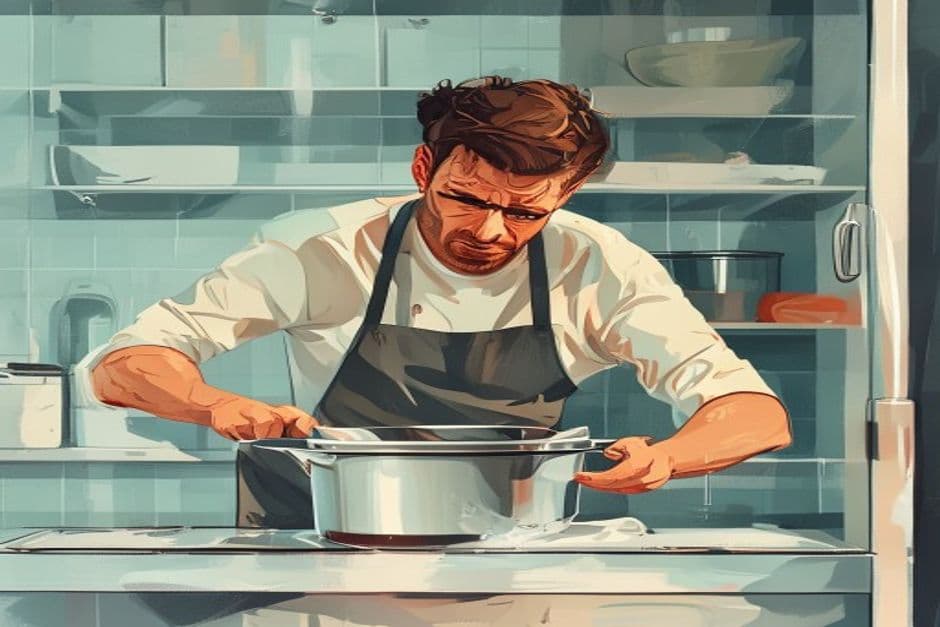
A home cook is facing a common problem: overfilled and frozen soup containers stuck in the freezer. This issue is frustrating, especially when you need to use the containers or the freezer space. The cook, who shared their problem on Reddit, is looking for a hack to remove the containers without damaging them or the freezer. The freezer shelf's lip is contributing to the containers being stuck. This is not an isolated incident, as many people have experienced similar issues with frozen containers, highlighting the importance of proper freezing techniques and container handling.
What happened to the containers?
The containers were overfilled with soup before freezing, causing them to expand and become stuck. This is a common issue when freezing liquids, as they expand when frozen. The expansion of the soup caused the containers to stick to the freezer shelf. The cook is now looking for a way to remove the containers without damaging them or the freezer. This situation could have been avoided by leaving adequate space at the top of the containers, allowing for the expansion of the soup as it freezes. According to the concept of thermal expansion, liquids expand when frozen, causing containers to become stuck. Leaving space at the top of the container when freezing liquids is essential to prevent this issue. For example, if you're freezing a liquid that expands significantly, such as water or broth, it's crucial to leave at least an inch of space at the top of the container to accommodate the expansion.
Many people have experienced similar issues with frozen containers. The consequences of overfilling containers can be severe, ranging from damaged containers to compromised food safety. It's essential to understand the science behind thermal expansion and take necessary precautions to avoid these issues. By doing so, home cooks can ensure that their frozen foods remain safe and easy to store. Additionally, being aware of the materials used in containers is vital, as some materials are more prone to becoming brittle when frozen, making them more susceptible to breaking. Understanding these factors can help home cooks take the necessary steps to prevent containers from becoming stuck in the first place.
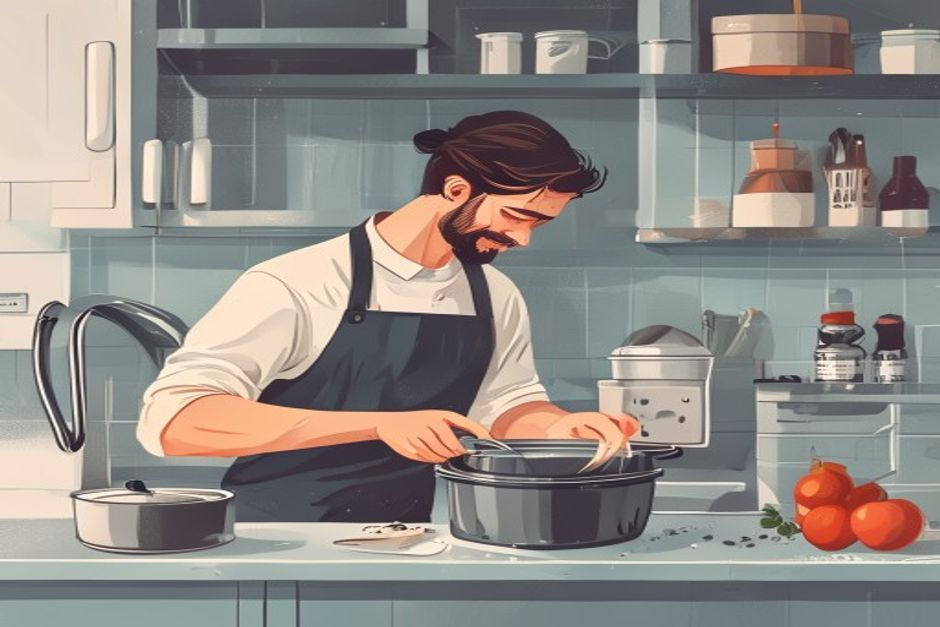
Why are the containers stuck?
The containers are stuck due to the combination of overfilled soup and the freezer shelf's lip. The lip on the freezer shelf prevents the containers from being easily removed. The cook is looking for a hack to remove the containers without damaging them or the freezer. Using a tool to pry the containers loose is risky and may damage the containers or freezer. The material the containers are made of also contributes to them being stuck. Some materials, such as plastic or glass, become brittle when frozen, making them prone to breaking. The cook must exercise caution when attempting to remove the containers to avoid breaking them. Furthermore, the shape and size of the containers can also play a role in them becoming stuck. For instance, containers with a narrow mouth or a unique shape may be more difficult to remove than those with a wide mouth or a standard shape.
The freezer shelf's design can also contribute to the containers becoming stuck. Some freezer shelves have a lip or a ridge that can prevent containers from being easily removed. In such cases, it's essential to carefully plan the storage of containers in the freezer, taking into account the shelf's design and the containers' shape and size. By doing so, home cooks can minimize the risk of containers becoming stuck and make the freezing and storage process more efficient. Additionally, labeling and dating containers can help home cooks keep track of their frozen foods and ensure that they are used within a safe time frame, reducing the risk of contamination and foodborne illness.
What are some possible solutions?
Several solutions can remove the stuck containers. One option is to use a hair dryer or warm water to thaw the soup and loosen the containers. This is a slow but gentle process. Another option is to use a tool, such as a spatula or spoon, to carefully pry the containers loose. It's essential to exercise caution when using tools to avoid damaging the containers or freezer. Prevention is the best solution. To avoid this issue, the cook can leave space at the top of the container when freezing liquids, giving the soup room to expand and reducing the likelihood of the containers becoming stuck. For more information on freezing and food safety, visit the USDA website. Home cooks can also consider using containers specifically designed for freezing, which often have features such as airtight lids and expandable materials that can help prevent containers from becoming stuck.
Another approach is to use a combination of methods to remove the containers. For example, using a hair dryer to thaw the soup and then using a spatula to carefully pry the containers loose can be an effective way to remove stuck containers. It's also essential to consider the type of soup or liquid being frozen, as some may be more prone to expansion than others. By understanding the properties of the liquid being frozen and taking the necessary precautions, home cooks can minimize the risk of containers becoming stuck and ensure that their frozen foods remain safe and easy to store. Furthermore, home cooks can also consider using a freezer organizer or divider to keep containers organized and easy to access, reducing the risk of containers becoming stuck and making the freezing and storage process more efficient.
What are the risks of removing the containers?
Removing the stuck containers poses several risks. One significant risk is damaging the containers or freezer. Using a tool to pry the containers loose may break the containers or damage the freezer shelf, leading to costly repairs and potential food safety issues. Another risk is contamination. If the cook is not careful, they may spill the soup or contaminate the freezer, leading to foodborne illness and other health issues. The cook must exercise caution and follow proper food safety guidelines when removing the containers. It's also essential to consider the potential for cross-contamination, where bacteria or other microorganisms can spread from one container to another, compromising the safety of the frozen foods.
The risks associated with removing stuck containers highlight the importance of proper freezer maintenance and organization. Home cooks should regularly clean and inspect their freezers to ensure that they are functioning correctly and that containers are stored safely. By doing so, home cooks can minimize the risk of containers becoming stuck and reduce the risk of foodborne illness and other health issues. Additionally, home cooks can consider implementing a "first-in, first-out" policy, where older frozen foods are used before newer ones, to ensure that frozen foods are used within a safe time frame and to reduce the risk of contamination. By taking these precautions, home cooks can ensure that their frozen foods remain safe and easy to store, and that their freezers remain a functional and efficient space for storing food.
What this means for you
If you're a home cook who freezes soup or other liquids, be aware of the risks of overfilling containers. To avoid getting containers stuck, leave space at the top when freezing. If you do encounter stuck containers, try a gentle method, such as thawing with a hair dryer or warm water, to remove them. By taking these precautions, you can avoid frustration and potential damage, ensuring your freezer remains a safe and functional space for storing food. Additionally, consider implementing a routine of regularly inspecting and cleaning your freezer, as well as labeling and dating containers, to ensure that your frozen foods remain safe and easy to store. By being mindful of these factors and taking the necessary precautions, home cooks can minimize the risk of containers becoming stuck and ensure that their frozen foods remain a convenient and healthy option for meals.
Furthermore, being aware of the potential risks and consequences of overfilling containers can help home cooks develop good habits and best practices when freezing and storing food. By understanding the importance of proper freezing techniques, container handling, and freezer maintenance, home cooks can ensure that their frozen foods remain safe, healthy, and convenient. This knowledge can also help home cooks to plan and prepare meals more efficiently, reducing food waste and saving time and money. By taking the necessary precautions and being mindful of the potential risks, home cooks can enjoy the benefits of freezing and storing food, while minimizing the risks and ensuring that their frozen foods remain a valuable and reliable resource for healthy and delicious meals.