The Reddit Futurology community recently highlighted the stark projections offered by volcanologist Bill McGuire regarding the future of Great Britain. While scientific data often feels distant, McGuire’s vision of 2052 brings the reality of climate change down to the level of the individual living room, the city street, and the local transit line.
Infrastructure Faces an Existential Challenge
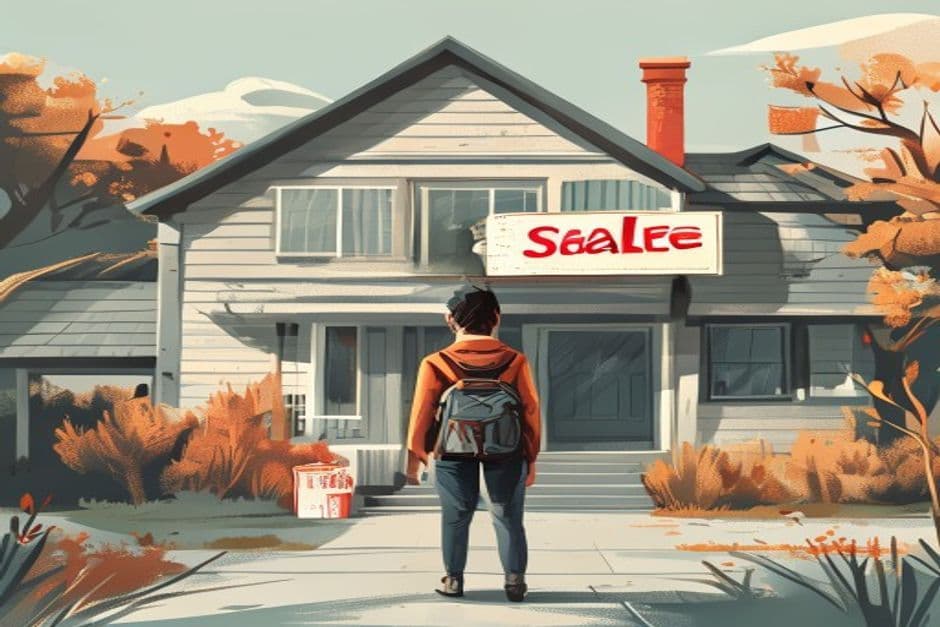
The United Kingdom’s current infrastructure is built for a temperate climate that no longer exists. For decades, British architecture prioritized heat retention to combat cold winters, a strategy that now poses a significant health risk during heatwaves. As extreme weather events increase, homes designed for insulation are turning into heat traps. The UK Met Office has confirmed that the frequency of these events has surged since the mid-20th century, rendering old design standards obsolete.
The New Normal of Extreme Summer Temperatures
The record-breaking heat of July 2022, which saw temperatures climb above 40°C, was not a statistical anomaly but a preview of the coming decades. Data from the UK Climate Projections (UKCP18) suggest that the nation must prepare for a future where such temperatures are regular occurrences rather than once-in-a-century events. The shift toward hotter, drier summers will transform the British countryside and urban centers alike.
The transition to a hotter climate requires a total overhaul of how we build, travel, and manage our public health in the face of rising temperatures.
Adapting to a Rapidly Changing Environment
Adaptation is the only path forward for a society grappling with these environmental shifts. This requires more than just retrofitting homes; it demands a rethink of urban planning. City centers need more green space to combat the urban heat island effect, while transport systems must be hardened against buckling rails and failing cooling systems. The challenge is immense, but acknowledging the reality of 2052 is the first step toward building a more resilient society. Keep a close eye on upcoming government policy updates regarding national building codes, as these will be the first indicators of how seriously the state is taking the mitigation of extreme heat risks.