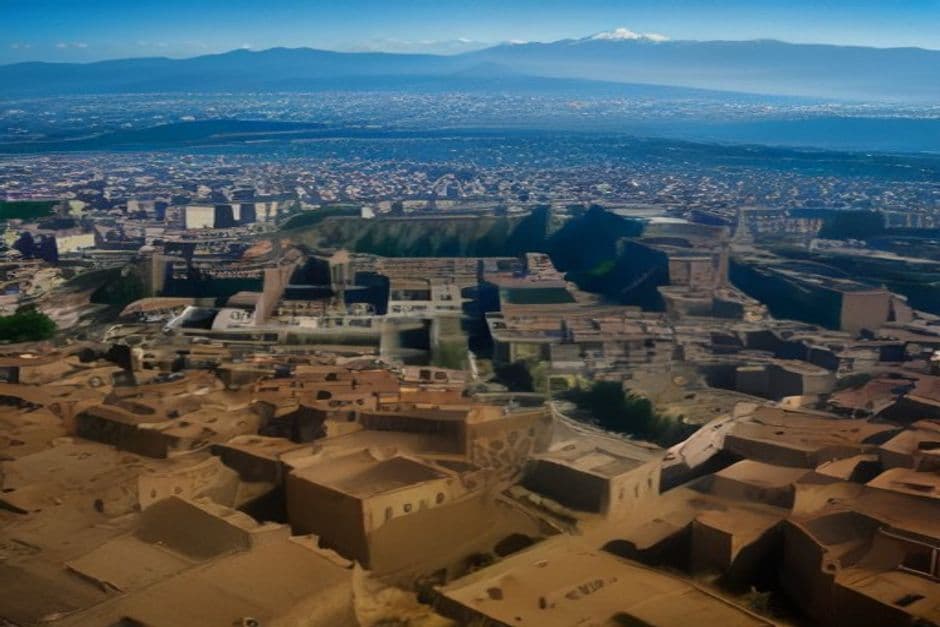
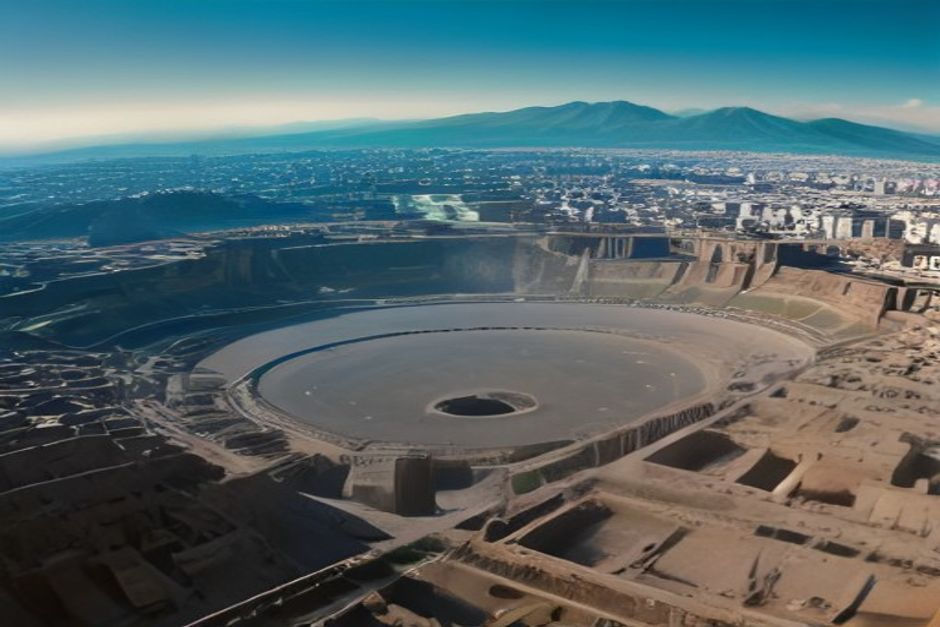
Google has shut down its Google Earth feature that allowed users to edit satellite images with text prompts using AI, just a day after its launch. The feature, demonstrated with a reimagined version of Pompeii using Nano Banana 2, let users create AI deepfakes of the real world. According to The Verge, the tool used AI technology to generate realistic edits to satellite images, raising concerns over its potential to create realistic deepfakes. This sudden shutdown has sparked a heated debate about the potential risks and benefits of AI-powered image editing tools and their potential impact on society. The ability to create realistic deepfakes has significant implications, ranging from the potential to create convincing propaganda to the ability to alter historical records. As such, it is essential to examine the purpose and functionality of the feature, as well as the reasons behind its shutdown and the implications of this decision.
What was the purpose of Google Earth's AI-powered feature?
The feature allowed users to edit satellite images with text prompts using AI, giving them the ability to create realistic and detailed edits to satellite images and reimagine real-world locations. The feature was demonstrated with a reimagined version of Pompeii using Nano Banana 2. This example showcased the feature's potential to transform historical sites into modern landscapes, highlighting the tool's capabilities and sparking imagination. The feature was user-friendly, allowing users to input text prompts and see the results in real-time. However, its ease of use raised concerns over its potential to create realistic deepfakes, which could be used for malicious purposes. For instance, users could potentially create fake satellite images of natural disasters or military operations, which could be used to spread misinformation or propaganda. The feature's potential for misuse was likely a significant factor in Google's decision to shut it down.
The feature's purpose was not only to provide a creative outlet for users but also to demonstrate the potential of AI-powered image editing tools. By allowing users to edit satellite images, Google aimed to showcase the capabilities of its AI technology and its potential applications in various fields, such as urban planning, architecture, and environmental monitoring. However, the feature's shutdown highlights the need for a more nuanced approach to the development and deployment of AI-powered image editing tools, one that balances creativity and innovation with responsibility and ethics.
How did the feature work?
The feature used AI technology to generate realistic edits to satellite images based on user input. The AI algorithm analyzed the satellite image and generated a new image based on the user's text prompt, creating highly realistic and detailed edits. The feature also used computer vision and natural language processing to understand the user's text prompt and generate a consistent image. This process involved complex algorithms and machine learning models that enabled the AI to learn from large datasets of images and generate new images that were consistent with the user's input. The feature's ability to generate realistic edits was likely due to the use of advanced AI models, such as generative adversarial networks (GANs) or variational autoencoders (VAEs), which are capable of generating highly realistic images.
The feature's use of AI technology raised concerns over its potential to create realistic deepfakes, which could be used for malicious purposes. The ability to generate realistic edits to satellite images could be used to create convincing propaganda or to alter historical records. For example, users could potentially create fake satellite images of military operations or natural disasters, which could be used to spread misinformation or propaganda. The feature's shutdown highlights the need for greater regulation and oversight of AI-powered image editing tools to prevent their potential misuse.
Why was the feature shut down?
The feature was shut down due to concerns over its potential to create realistic deepfakes, which could be used for malicious purposes, such as propaganda or disinformation campaigns. Google decided to shut down the feature to prevent its potential misuse and protect the integrity of satellite images. The company likely recognized the potential risks associated with the feature and took a proactive approach to mitigate them. The shutdown highlights the need for companies to prioritize responsibility and ethics when developing and deploying AI-powered image editing tools.
The feature's shutdown also raises questions about the role of regulation in the development and deployment of AI-powered image editing tools. As AI technology continues to evolve, it is essential to establish clear guidelines and regulations to prevent its potential misuse. This could involve the development of industry-wide standards for AI-powered image editing tools, as well as greater oversight and accountability from regulatory bodies. The shutdown of Google's feature is a significant step in this direction, as it highlights the need for companies to prioritize responsibility and ethics when developing and deploying AI-powered image editing tools.
What are the implications of this shutdown?
The shutdown highlights the need for greater regulation and oversight of AI-powered image editing tools. According to NASA, AI in image editing has the potential to revolutionize fields like space exploration and mapping, but it also raises concerns over image integrity. The ability to generate realistic edits to satellite images could be used to create convincing propaganda or to alter historical records, which could have significant implications for fields like journalism, education, and research. As such, it is essential to establish clear guidelines and regulations to prevent the potential misuse of AI-powered image editing tools.
The shutdown also has implications for the development of AI-powered image editing tools. Companies may need to reassess their approach to developing and deploying these tools, prioritizing responsibility and ethics over innovation and creativity. This could involve the development of more robust algorithms and models that are less susceptible to misuse, as well as greater transparency and accountability in the development and deployment of these tools. The shutdown of Google's feature is a significant step in this direction, as it highlights the need for companies to prioritize responsibility and ethics when developing and deploying AI-powered image editing tools.
What this means for you
The shutdown emphasizes the need for awareness and understanding of the potential risks and benefits of AI-powered image editing tools. As AI technology evolves, it is essential to be informed and vigilant to ensure that AI-powered image editing tools are used responsibly. This involves being aware of the potential risks associated with these tools, such as the potential to create realistic deepfakes, and taking steps to mitigate them. It also involves supporting companies that prioritize responsibility and ethics in the development and deployment of AI-powered image editing tools, and advocating for greater regulation and oversight of these tools.
The shutdown of Google's feature is a significant step in the right direction, as it highlights the need for companies to prioritize responsibility and ethics when developing and deploying AI-powered image editing tools. As AI technology continues to evolve, it is essential to establish clear guidelines and regulations to prevent its potential misuse. By being informed and vigilant, we can ensure that AI-powered image editing tools are used responsibly and for the benefit of society. The future of AI-powered image editing tools is uncertain, but one thing is clear: the need for responsibility and ethics in their development and deployment is essential to preventing their potential misuse and ensuring their benefits are realized.