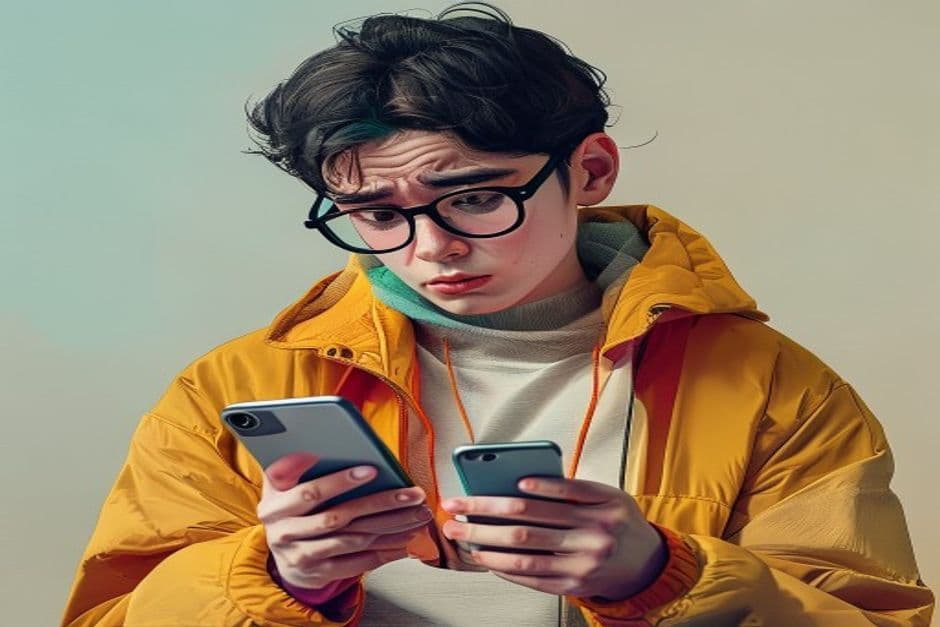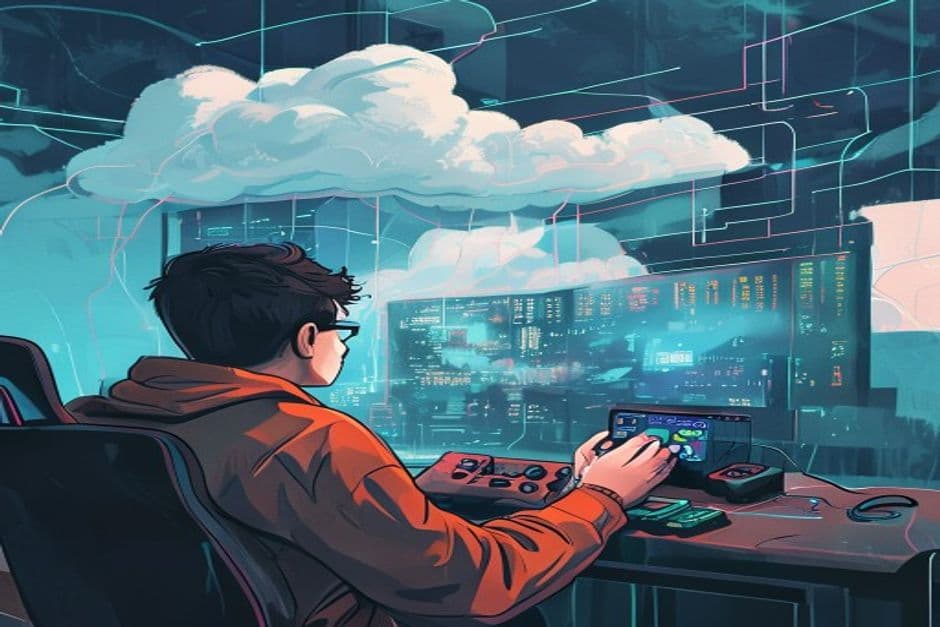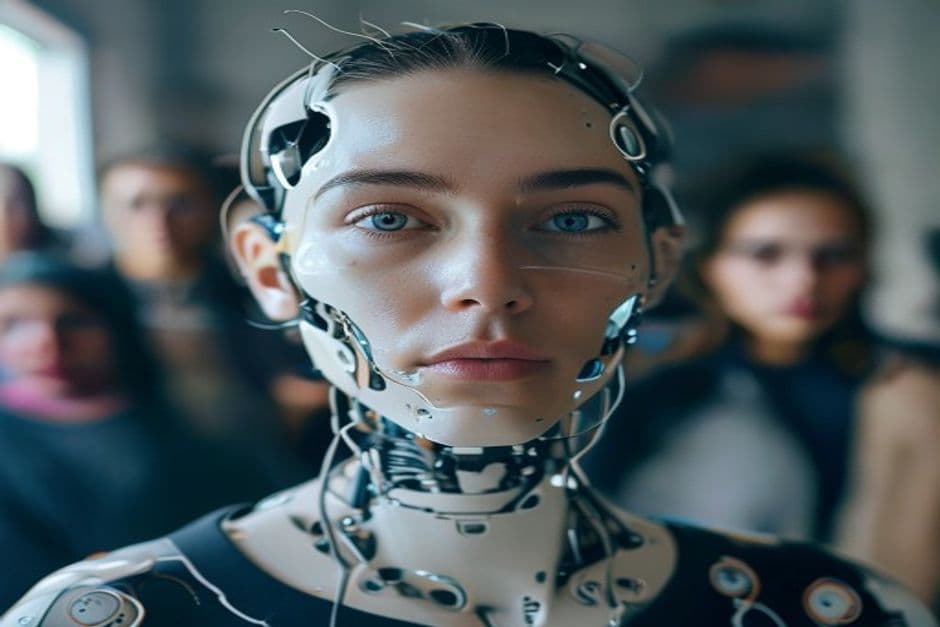
When users prompt ChatGPT to act as a human with a smartphone, they aren't looking for polished art. They are looking for the aesthetic of failure, documenting a shift in how we interact with Generative AI.
1. The Shift Toward Mundane Realism
Modern AI models like OpenAI's DALL-E 3 are designed to be helpful, precise, and aesthetically pleasing. However, recent viral experiments found on Reddit show that users are actively fighting against this optimization. By requesting blurry, accidental, and poorly composed imagery, users are testing whether these systems can replicate the inherent flaws of human photography.
2. Navigating the Uncanny Valley
The Uncanny Valley typically refers to the discomfort we feel when humanoid objects look almost—but not quite—human. In this case, the discomfort arises from the image being too perfect in its imperfection. When AI attempts to simulate a "failed" snapshot, it often creates a surreal, dream-like distortion that feels more unsettling than a standard computer-generated graphic.
3. Deconstructing Human Intent
Photography is defined by intent, even when the resulting image is poor. When a human takes a bad photo, there is a reason: a shaky hand, a dirty lens, or a lack of light. An AI, however, has no physical presence. Asking an AI to simulate a "failed" photo forces it to interpret the concept of human error through metadata and patterns, creating a meta-commentary on what we perceive as "real."
4. The Future of AI Aesthetics
As these tools become more advanced, the desire for "authenticity" is likely to grow. This trend suggests that we are moving toward a phase where users value the quirks of human interaction over the sterile perfection of algorithmically generated perfection. Future models may need to introduce "controlled chaos" to meet the demand for relatable, human-like visual content.
The shift toward mundane realism matters most because it highlights a growing cultural fatigue with synthetic perfection, proving that humanity's next frontier in AI is learning how to be messy.