What's happening
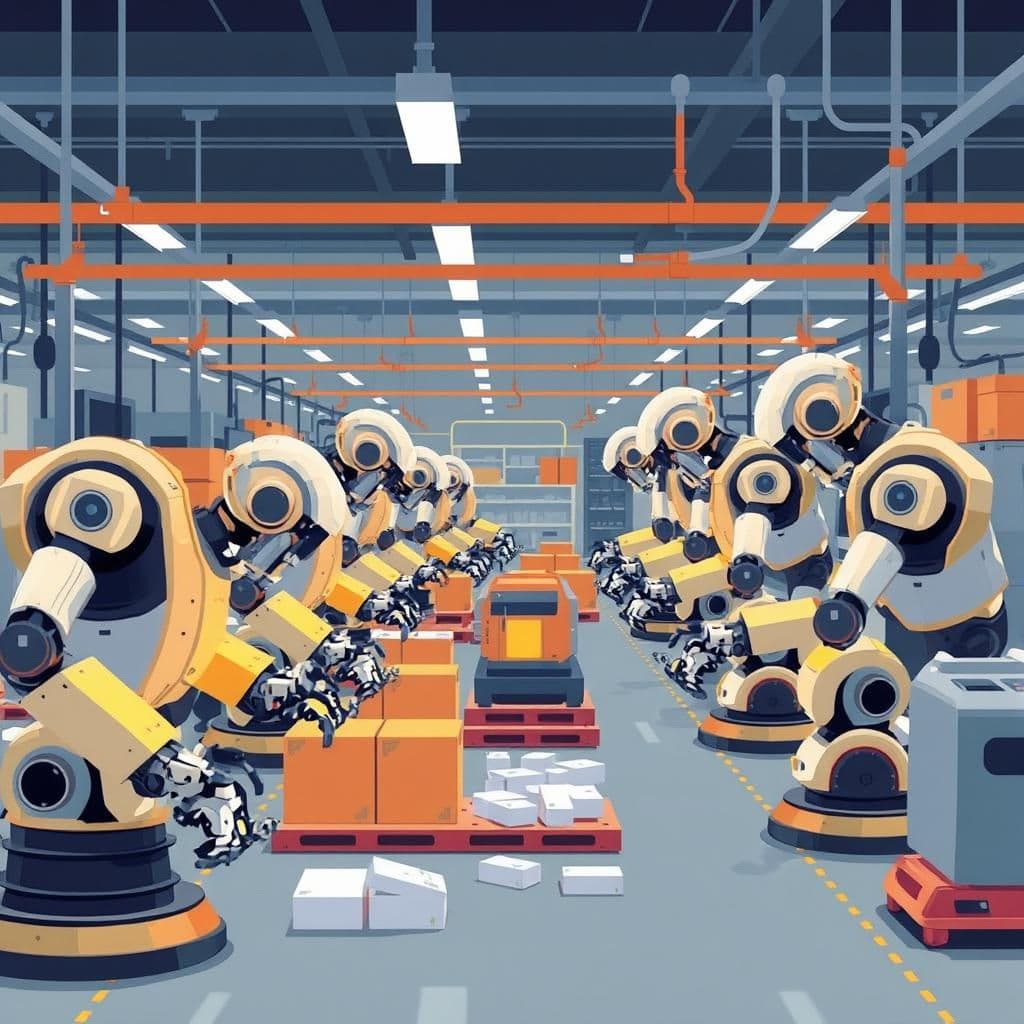
Advances in AI are driving the development of autonomous robot workers, which could soon be integrated into various workplaces and homes. According to arstechnica, top robotics researchers and founders explain how robot autonomy is evolving through machine learning and computer vision, enabling robots to perform adaptable tasks. This evolution is made possible by the increasing sophistication of machine learning algorithms, which allow robots to learn from experience and adapt to new situations. For instance, a robot designed to assemble products can learn to recognize and adjust to variations in component quality, ensuring consistent output.
Autonomous robots can navigate complex environments, recognize objects, and interact with humans, making them suitable for various applications. In manufacturing, they can assemble products, inspect quality, and package goods, increasing efficiency and reducing labor costs. In healthcare, they can assist nurses, deliver medication, and provide patient companionship, improving care and outcomes. Additionally, autonomous robots can be used in search and rescue operations, navigating through rubble or debris to locate survivors, and in environmental monitoring, tracking changes in air and water quality. The versatility of autonomous robots is further enhanced by their ability to be reprogrammed and repurposed, allowing them to be deployed in a wide range of contexts.
A notable example of autonomous robots in action is the use of robotic assistants in warehouses, where they can efficiently sort and pack products, reducing the need for manual labor and minimizing errors. Similarly, in domestic settings, autonomous robots can perform tasks like cleaning, lawn mowing, and home maintenance, freeing time for leisure and improving overall quality of life. The integration of autonomous robots into daily life is expected to have a significant impact on productivity, safety, and overall well-being.
Moreover, autonomous robots have the potential to revolutionize the way we approach tasks that are currently deemed too dangerous or difficult for humans. For instance, autonomous robots can be used to clean up hazardous waste, inspect damaged infrastructure, or explore extreme environments, reducing the risk of human injury or death. By leveraging the capabilities of autonomous robots, we can create a safer and more efficient working environment, while also improving our ability to respond to emergencies and disasters.
Why now
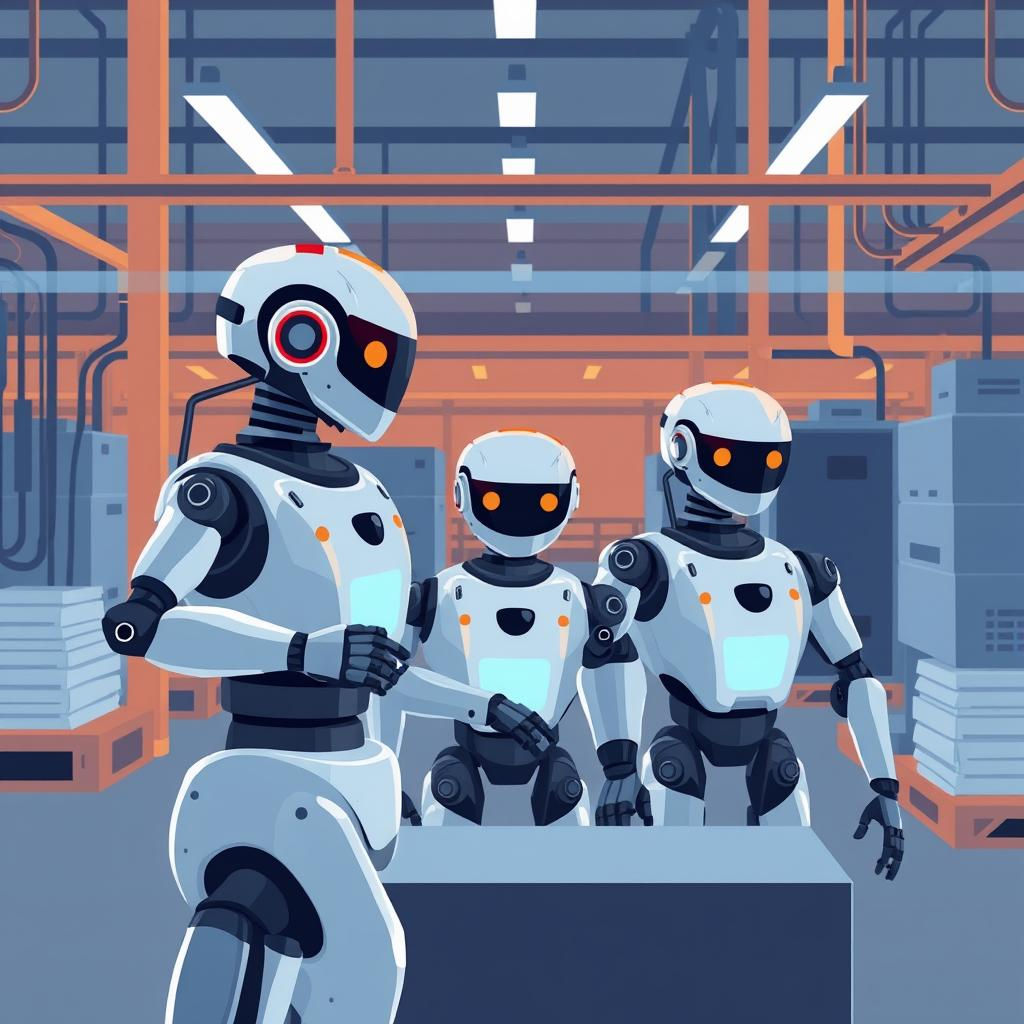
AI advances, particularly in machine learning and computer vision, drive the development of autonomous robot workers. These technologies enable robots to learn, adapt, and make real-time decisions. Decreasing sensor, actuator, and computing costs have made affordable and efficient autonomous robots possible. The reduced cost of sensors, for example, has enabled the widespread adoption of computer vision, allowing robots to perceive and understand their environment in greater detail. Additionally, advancements in machine learning have enabled robots to learn from experience and improve their performance over time, making them more efficient and effective.
Autonomous robot workers offer significant benefits, including increased productivity, improved safety, and enhanced customer experience. In domestic settings, they can perform tasks like cleaning, lawn mowing, and home maintenance, freeing time for leisure. They can also assist people with disabilities, elderly individuals, and those with chronic illnesses, improving their quality of life and independence. Furthermore, autonomous robots can help reduce the economic burden of caregiving, allowing family members to return to work and maintain their own independence. The social and economic implications of autonomous robot workers are far-reaching, with the potential to transform the way we live, work, and interact with one another.
The development of autonomous robot workers is also driven by the need for increased efficiency and productivity in various industries. In manufacturing, for example, autonomous robots can work around the clock, reducing downtime and increasing output. In healthcare, they can assist with tasks such as patient monitoring, medication administration, and data entry, freeing up nurses and doctors to focus on more complex and high-value tasks. By automating routine tasks, autonomous robots can help reduce costs, improve quality, and enhance the overall patient experience.
Who's affected
The development of autonomous robot workers will impact various industries and groups, including manufacturing, healthcare, and services. Companies like Boston Dynamics and NASA Robotics are exploring autonomous robot potential. Research institutions like MIT Robotics are developing new technologies and applications. The collaboration between industry leaders, research institutions, and government agencies is crucial for the development and deployment of autonomous robots, as it enables the sharing of knowledge, resources, and expertise.
Affected groups include:
- Manufacturing companies, which can increase efficiency and reduce labor costs by automating tasks such as assembly, inspection, and packaging
- Healthcare providers, which can improve patient care and outcomes by leveraging autonomous robots for tasks such as patient monitoring, medication administration, and data entry
- Service sector companies, which can enhance customer experience and reduce labor costs by deploying autonomous robots for tasks such as cleaning, maintenance, and customer service
- People with disabilities, elderly individuals, and those with chronic illnesses, who can benefit from assistance with daily tasks, social interaction, and emotional support
The impact of autonomous robot workers on the job market is a topic of ongoing debate. While some experts predict that autonomous robots will displace certain jobs, others argue that they will create new opportunities for employment in fields such as robotics engineering, AI development, and robot maintenance. As the development and deployment of autonomous robots continue to advance, it is essential to consider the social and economic implications of this technology and to develop strategies for mitigating any negative effects on the workforce.
What's next
As autonomous robot workers become more prevalent, significant changes are expected in various industries and aspects of life. Integration will require new regulations, standards, and protocols to ensure safety, security, and efficiency. Autonomous robot development will create new job opportunities in robotics engineering, AI development, and robot maintenance. Furthermore, the development of autonomous robots will drive innovation in related fields, such as sensor technology, computer vision, and machine learning, leading to breakthroughs in areas such as healthcare, transportation, and education.
Experts believe autonomous robots will shape the future of work, augmenting human capabilities and improving productivity. While job displacement is a concern, benefits will reportedly outweigh costs, leading to a more efficient and prosperous society. With organizations like the National Institute of Standards and Technology accelerating standard development, autonomous robots will become increasingly sophisticated, leading to human-robot collaboration. As autonomous robots become more integrated into our daily lives, we can expect to see significant advancements in areas such as education, healthcare, and transportation, ultimately leading to a more efficient, productive, and equitable society.
The future of autonomous robot workers is exciting and full of possibilities. As the technology continues to evolve, we can expect to see autonomous robots becoming increasingly sophisticated, capable of performing complex tasks, and interacting with humans in a more natural and intuitive way. The potential benefits of autonomous robot workers are vast, and it is essential to continue investing in research and development to realize the full potential of this technology. By working together, we can create a future where autonomous robots and humans collaborate to create a better world for all.