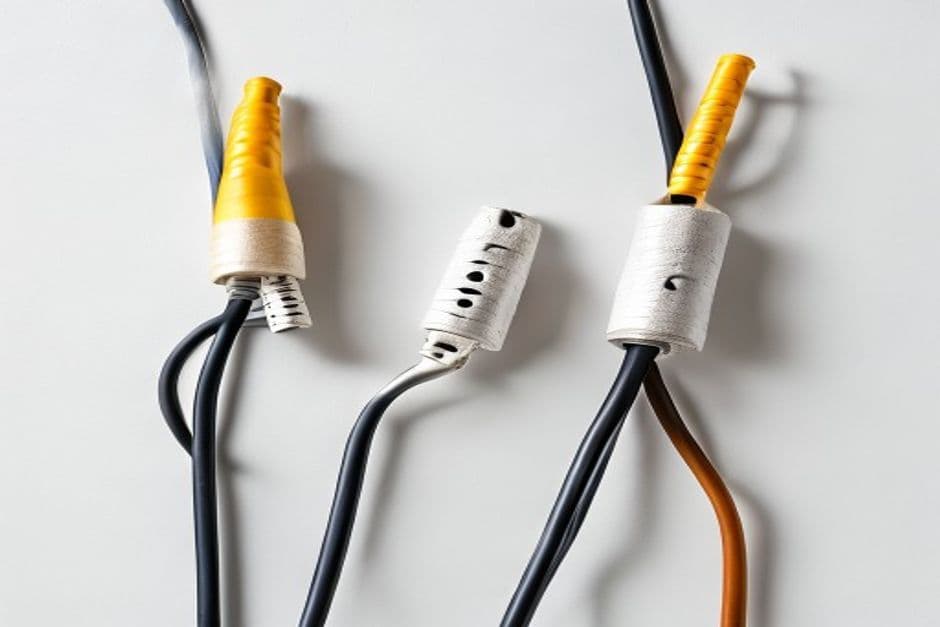
We've been telling ourselves a story about how ai image generators are quietly reshaping stock photography that no longer matches the data. Time to update.
What's changing
The shift began quietly. A handful of teams, working in parallel and mostly unaware of each other, arrived at similar conclusions: the old approach optimized for a constraint that no longer binds. Hardware got cheaper. Models got smaller. Distribution got more direct. Each individual change felt incremental — but together they reset the cost curve.
Why it matters
If you talk to the practitioners actually shipping in this space, they sound notably less excited and notably more confident than the hype cycle suggests. That contrast — quieter, more grounded enthusiasm — is usually the signal you want.
What to do about it
Three quiet trends are converging: cheaper compute, better tooling, and a new generation of operators who grew up with these tools as defaults. Each was a slow burn on its own. Together they compound, and that compounding is what most quarterly forecasts will miss.
- Adopt early — the cost of waiting is higher than the cost of failing fast.
- Measure honestly — pick two metrics, ignore the rest for the first month.
- Talk to users — the gap between assumption and reality is wider than ever.
The takeaway
The teams that will look smart in eighteen months aren't necessarily the ones with the strongest opinions today — they're the ones running the cheapest experiments now.